How to Find Local Business Leads: 8 Proven Methods (2026)
If you run a marketing agency that sells to local businesses, your growth depends on one thing: a reliable way to find local business leads. Not occasionally. Not when referrals happen to come in. Consistently, every week, across the niches and cities you want to serve.
Most agencies struggle here. They know how to deliver great work, but they don't have a repeatable system for finding the businesses that need that work. The result is a pipeline that runs hot and cold depending on whether someone happened to refer a friend this month.
This guide covers eight proven methods to find local business leads in 2026, ranked by efficiency, scalability, and how well they work for agency owners specifically. Whether you sell web design, SEO, reputation management, or social media services, at least three of these methods should become permanent parts of your prospecting system.
1. Google Business Profile Data (Most Scalable Method)
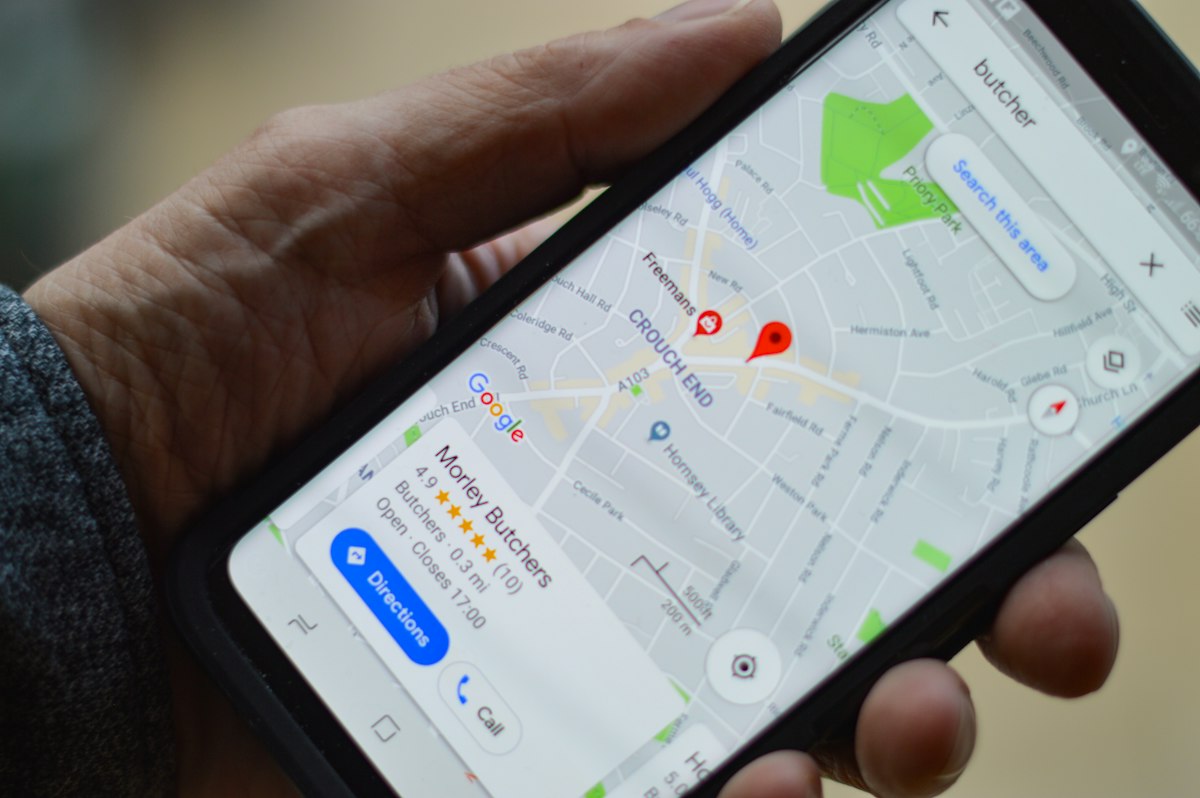
Every local business with a Google presence has a Google Business Profile containing structured data that tells you exactly what you need to know: business name, category, phone number, website, email, star rating, review count, social media links, and whether the business is currently open.
For agency prospecting, this data is gold. A plumber with no website is a web design lead. A dentist with a 2.9-star rating is a reputation management lead. A restaurant with no Instagram is a social media lead. The signals are right there in the data, you just need a way to access and filter them at scale.
GBP Leads is built specifically for this. Search by business type and city, and every verified open result gets added to your Data Vault, a permanent, deduplicated lead library that grows with every search. Filter by website presence, rating, review count, contact info, and social profiles. Export as CSV. Refresh any record with live Google Maps data before you reach out.
A single 30-minute session targeting one niche across a few cities can produce 100 to 300 qualified, enriched prospects. Over 90 days of consistent searching, your Vault compounds into a proprietary database of thousands of local businesses, all filterable, all refreshable, all with contact information attached.
Best for: agencies that want to prospect at scale across multiple niches and cities with the ability to filter by specific service-need signals.
2. Google Maps Manual Search
The free version of method one. Open Google Maps, type in a business category and city, and scroll through results. Click into each listing to check their website, rating, review count, and contact information. Copy what you need into a spreadsheet.
This works and costs nothing, but it doesn't scale. You can realistically research 15 to 25 businesses per hour this way, and you're manually managing deduplication, data freshness, and contact info extraction. For an agency just starting out with no budget for tools, it's a valid way to build your first list. For an agency trying to prospect across multiple niches and cities consistently, it becomes a bottleneck fast.
Best for: new agencies building their first prospect list on a zero-tool budget.
3. Cold Calling From a Filtered List
Cold calling is not a lead generation method on its own, it's an outreach method. But it deserves its own section because the combination of a well-filtered prospect list plus a targeted phone pitch is still the single highest-converting approach for reaching local service businesses.
Trades, auto services, restaurants, and healthcare providers answer their phones. They're used to getting calls. A caller who opens with something specific, "I noticed your Google listing doesn't have a website attached, and your competitors in the area all do," cuts through immediately because the business owner can verify the claim in ten seconds.
The key is the list quality. Cold calling from a generic business directory produces low conversion rates. Cold calling from a list filtered by specific signals, every business has a rating under 3.5 stars, every business is missing a website, produces dramatically higher results because every call is relevant.
Best for: agencies selling to trades, restaurants, auto services, and other phone-first business categories.
4. Cold Email Campaigns
Cold email works best for professional services (accountants, attorneys, consultants, financial advisors) and established businesses with publicly listed email addresses. These buyers are email-first, tend to respond to concise and specific outreach, and often have the decision-making authority to act quickly.
The key to cold email success for finding local business leads is personalization grounded in data. Generic "we help businesses grow" emails get deleted. An email that says "I noticed your accounting firm in Austin has 4 Google reviews while the top three firms in your area have 50+, I help firms like yours close that gap" gets read.
Tools like Instantly, Smartlead, or Lemlist handle the sending and sequencing. Your prospecting tool handles the targeting. Filter your lead database for businesses with publicly available email addresses and the specific gap your service addresses, then build sequences around that gap.
Best for: agencies targeting professional services, B2B-oriented local businesses, or any niche where the decision-maker is email-reachable.
5. Local Networking and Industry Events
Joining your local chamber of commerce, attending BNI groups, or showing up at industry meetups still works for finding local business leads, especially in smaller markets where relationships drive buying decisions.
The advantage is trust. A business owner who meets you at a local event and hears you explain what you do is significantly more likely to become a client than one who receives a cold email. The disadvantage is scale. You can attend one or two events per week and meet maybe 10 to 20 business owners at each. That's a fine supplement to a prospecting system, but it's not a system by itself.
The best approach is to use networking as a relationship layer on top of a data-driven prospecting system. Meet a plumber at an event, then follow up with a specific observation about their Google listing. The personal connection plus the data-backed insight is a powerful combination.
Best for: agencies in smaller markets, or as a relationship-building supplement to data-driven outreach.
6. Referral Systems
Most agencies rely on referrals but very few have an actual referral system. There's a significant difference between hoping clients mention you to their friends and building a structured process that actively generates referrals.
A simple referral system looks like this: after delivering a visible result for a client (review count increase, new website launch, first page ranking), send a message asking if they know anyone in a similar situation who could benefit from the same service. Offer a discount on next month's retainer for every referral that converts. Follow up 30 days later if they haven't responded.
The reason most agencies don't do this is that they don't ask. The ones who build asking into their process consistently generate 2 to 4 referrals per happy client over the life of the engagement.
Best for: agencies with existing clients and a track record of visible results.
7. Direct Mail
Counterintuitive in 2026, but highly effective for premium services. A physical postcard or letter sent to a business address cuts through digital noise in a way no email can. The business owner physically holds your pitch. For services priced at $1,000 per month or above, the cost per piece ($1 to $3) is negligible relative to the deal size.
The approach works best when you combine it with data. Pull a filtered list of businesses with a specific gap, print personalized postcards that reference that gap by name, and mail them. "Your Google rating is 2.8 stars. The top plumbers in your area are above 4.5. We fix this. Call us." A postcard that specific gets kept on a desk, not thrown in the trash.
You need a prospect list with verified business addresses. Google Business Profile data includes full addresses for every listing, making it straightforward to build targeted direct mail campaigns from the same data you use for digital outreach.
Best for: premium agency services ($1,000+/mo), reputation management pitches, and markets where business owners are hard to reach digitally.
8. Social Media Prospecting (LinkedIn and Facebook Groups)
LinkedIn works for reaching professional services business owners directly. Search by title and location, connect with a personalized note, and follow up with value before you pitch. The conversion rate per connection is low, but the quality of conversations is high because you're reaching decision-makers directly.
Facebook Groups for local business owners (city-specific entrepreneur groups, industry-specific communities) are another overlooked source. Contribute genuinely, answer questions, and position yourself as the marketing expert in the group. When someone posts asking for help with their website or Google reviews, you're already there with credibility established.
Neither of these methods scales the way data-driven prospecting does, but both produce warm leads that convert at higher rates than cold outreach alone.
Best for: agencies building authority in a specific market or niche, or as a warm-up layer before cold outreach.
Which Methods Should You Combine?
No single method will fill your pipeline on its own. The agencies with the strongest pipelines combine a scalable data-driven method (Google Business Profile prospecting) with one or two high-touch methods (cold calling, networking, or referrals).
Here's a practical combination that works for most agencies:
- Foundation: build and grow your prospect database using GBP Leads, run searches weekly across your target niches and cities
- Primary outreach: cold calling for trades and service businesses, cold email for professional services
- Relationship layer: attend 1 to 2 local events per month, actively work your referral system with existing clients
- Long-term authority: contribute to relevant Facebook Groups and LinkedIn communities in your niche
This combination gives you scale (data-driven prospecting), conversion (targeted outreach), trust (networking and referrals), and compounding visibility (social presence). Each method reinforces the others.
How to Qualify Local Business Leads Before You Reach Out
Finding local business leads is only valuable if you can quickly identify which ones are worth your time. Before reaching out to anyone, filter your list by the signals that indicate a genuine need for your service:
- No website, immediate web design opportunity
- Rating under 3.5 stars with 5+ reviews, reputation management opportunity
- No Facebook or Instagram, social media management opportunity
- Has phone number, cold call ready
- Has email, cold email ready
Segmented outreach based on specific signals converts at dramatically higher rates than generic outreach. When every business on your call list shares the same gap, your pitch can be specific, and specific pitches beat generic pitches every time. For a deeper walkthrough of signal-based filtering, see our complete local business lead generation guide.
Final Thoughts
Finding local business leads doesn't have to be a grind. When you have the right methods stacked together, a scalable data source, targeted outreach, and a relationship layer, prospecting becomes a repeatable process rather than a constant struggle.
The agencies that grow fastest aren't doing anything exotic. They picked their niche, built their prospecting system, and run it consistently. The system starts with the data.
Ready to start finding local business leads at scale? GBP Leads gives you access to 250M+ verified Google Business Profiles with one-click filtering and automatic contact enrichment. Start building your Vault today.